Article
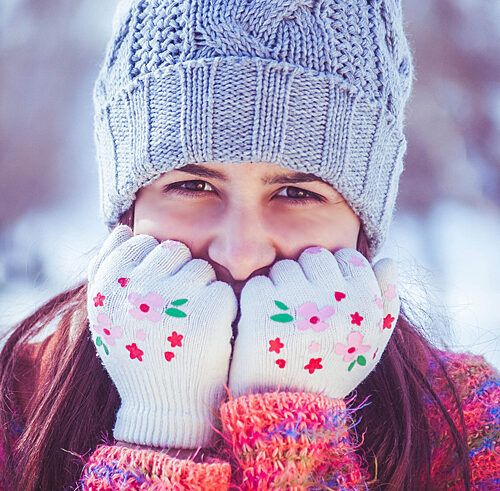
The National Asthma Council Australia (NAC) is reminding the 2.8 million Australians with asthma that the start of icy winter blasts and heavy rainfall can also lead to dangerous asthma triggers.
Dr Joel Ten, a GP and National Asthma Council Australia spokesperson, said triggers can cause the airways to become narrow and inflamed, leading to asthma symptoms.
“Asthma symptoms can include cough, wheezing, tightness in the chest or severe breathing difficulties in some people.
“These triggers differ between individuals and over time, you will get to know which circumstances can make your asthma get worse. Some can be avoided altogether while others you will need to plan for,” he said.
Common winter asthma triggers include:
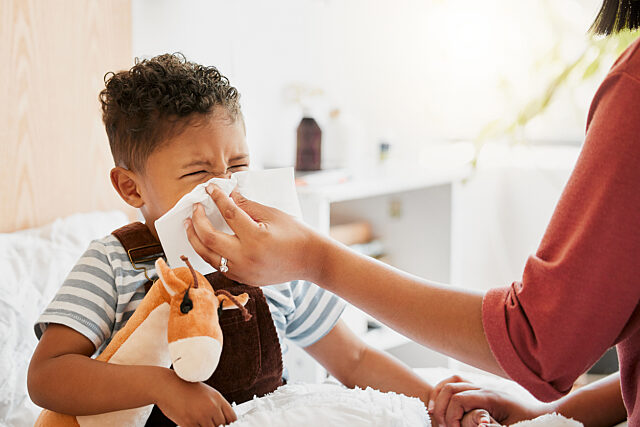
Dr Ten said that the common cold is behind around four out of five bad asthma attacks.
“The risk of catching a respiratory virus increases during winter as people spend more time together indoors and if you have asthma, any of these viruses can cause a cold which has the potential to develop into an asthma flare-up.
“It is also important at the start of winter to make sure you are up to date with vaccinations, as influenza, COVID-19 and RSV are all viruses that affect the respiratory tract,” he said.
Around one in five Australians have allergies, including most people with asthma and one of the most common allergic triggers for asthma is mould.
“As winter sets in, it is important to take control to ensure you have a healthy home as higher indoor humidity levels make it easier for mould to grow, so focus on good natural air circulation and use extractor fans.
“If there is any visible mould, remove it with fermented vinegar and remember mould is not always visible, so it is important to find and stop the source of the mould,” Dr Ten said.
Another common asthma trigger during winter can be dust mites which thrive when indoor humidity is high.
“These microscopic creatures feed off skin cells and grow well in humidity in bedding, blankets and winter clothing that has been left in cupboards all year.
“Dust mites are nearly impossible to eradicate, but as with mould, reducing humidity in the home can help to keep them under control.
“The best strategy is to kill house dust mites, remove the allergen they produce and reduce areas where they can live and breed,” he said.
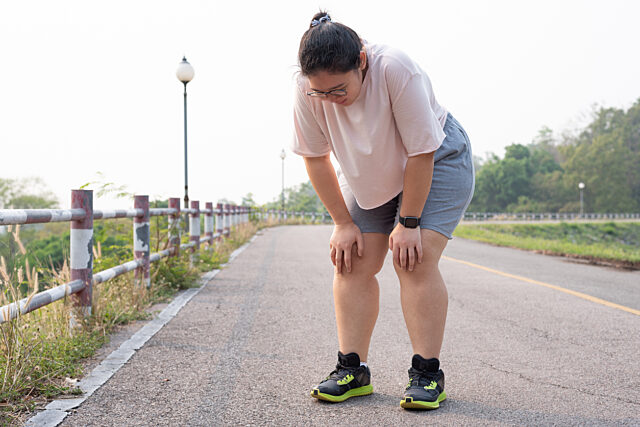
Outdoor exercise during the winter months can be another common trigger, but is great for health and well-being, and having asthma shouldn't stop you playing sport or taking part in any other activity.
“Sometimes people with asthma get symptoms when they exercise, especially in dry, cold air or without the right preparation. The symptoms usually depend on how long and hard you exercise and how dry and cool the air is.
“Ensure you are taking any prescribed preventer medication as your doctor has advised. Keep your reliever handy and be prepared if your asthma flares up. If your asthma does flare up, don’t ignore it or hope the symptoms will go away by themselves,” he said.
Dr Ten said that while it isn’t always possible to avoid winter triggers, reducing exposure to asthma or allergy triggers may make symptoms easier to manage.
“The first step is to know what your winter asthma triggers are so you focus your efforts in the right area. Your doctor or pharmacist will be able to help you work this out and give you some helpful advice and tips on how to avoid these triggers.
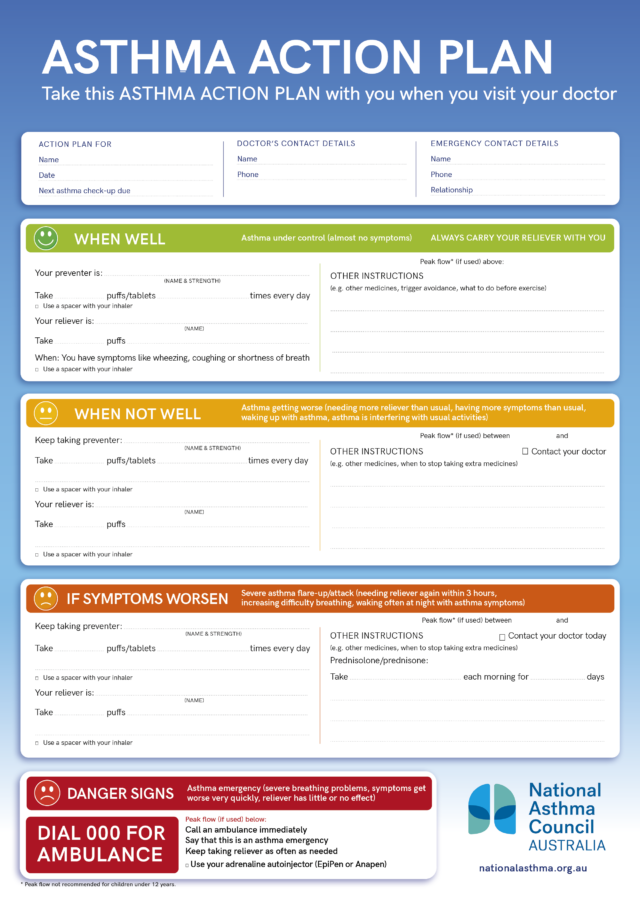
“Right now is a good time to schedule an annual asthma review with your GP to discuss any symptoms, check the health of your lungs, ensure you are on the right medication, and update your written asthma action plan so you stay well over winter.
“Asthma management guidelines have changed in the latest update of the National Asthma Council’s Australian Asthma Handbook and it is essential that adults and adolescents with asthma receive a correct diagnosis and receive treatment with an anti-inflammatory inhaled corticosteroid-containing regimen.
“The new guidelines also recommend that most children with asthma should use inhaled corticosteroids that treat the underlying inflammation, not just a blue puffer that only relieves symptoms.
“This will help airways to be less inflamed and sensitive, which helps to resist the effects of winter viral infections that can trigger serious asthma flares,” said Dr Ten.
Find more information on managing your asthma and triggers check out the NAC Asthma Winter Checklist or visit the National Asthma Council's Sensitive Choice website.
For further information or an interview with a National Asthma Council Australia spokesperson, please contact:
Donna Le Page, Le Page PR
Mobile: 0429 825 703 or Email: [email protected]
The National Asthma Council Australia is a collaboration of four member organisations (APNA, ASCIA, PSA and RACGP) and the national trusted authority for asthma knowledge. We set and disseminate the standards for asthma care through our responsive and evidence-based asthma guidelines - the Australian Asthma Handbook and resources for primary health care professionals. Our Sensitive Choice program empowers consumers to identify asthma and allergy-aware products and services.