
Trusted, evidence-based information for health professionals, people with asthma and their carers.

7 search results for my asthma
Sort by
Patients & carers · Fact sheets
Evidence-based information and advice for people with asthma, carers and families.
Last updated 1/6/2022
Fact sheets · Patients & carers
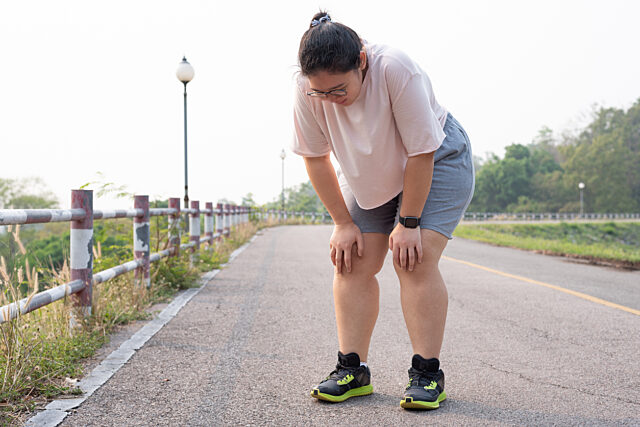
Having asthma shouldn’t stop you from getting involved in sports or physical activity, whether just for fun or more competitively. View tips for exercising with asthma.
Last updated 1/6/2019
Fact sheets · Patients & carers
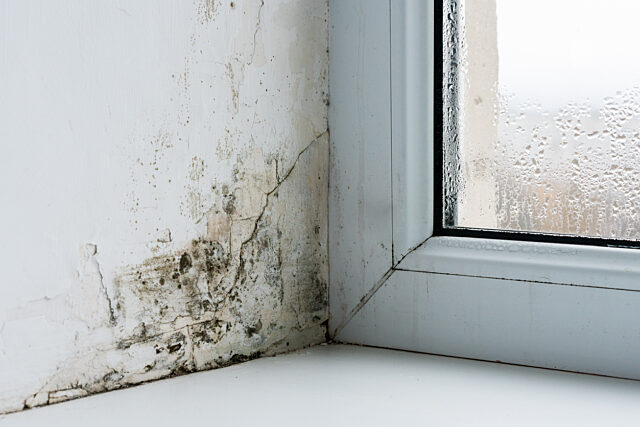
Damp indoor and outdoor areas with mould can trigger asthma symptoms in some people. Mould is commonly found in bathrooms, fridges, and areas with poor air circulation.
Last updated 7/4/2024

Patients & carers · Fact sheets
Cigarettes, vapes and smoke irritates the airways and cause inflammation. Inflamed lungs produce more mucous, leading to more frequent asthma symptoms and severe asthma attacks.
Last updated 22/5/2026
Fact sheets · Patients & carers
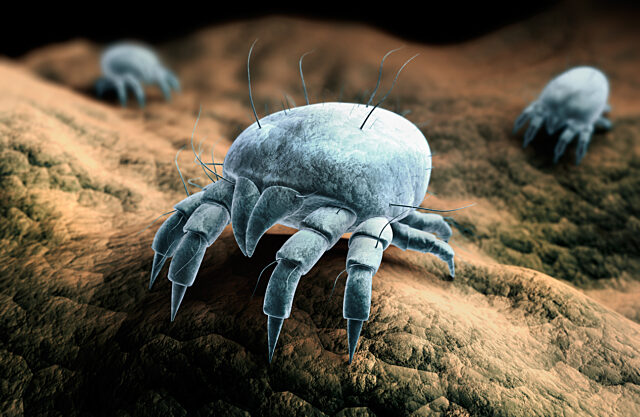
Dust mites thrive in warm and humid environments, and can live in soft furnishings such as beds, bedding, carpets, upholstered furniture, soft toys or clothing and are primarily found inside homes.
Last updated 6/5/2024
Fact sheets · Patients & carers
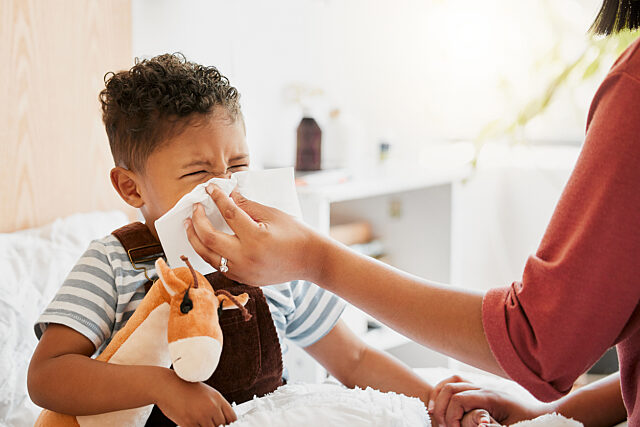
Dispelling the myths about influenza. Influenza vaccination (the flu shot) offers a high degree of protection against the flu and its severe consequences.
Last updated 5/5/2025

Fact sheets · Patients & carers
Eat well to breathe well. Fresh fruit and vegetables are full of antioxidants, which may improve your lung health and help avoid asthma attacks.
Last updated 1/6/2019
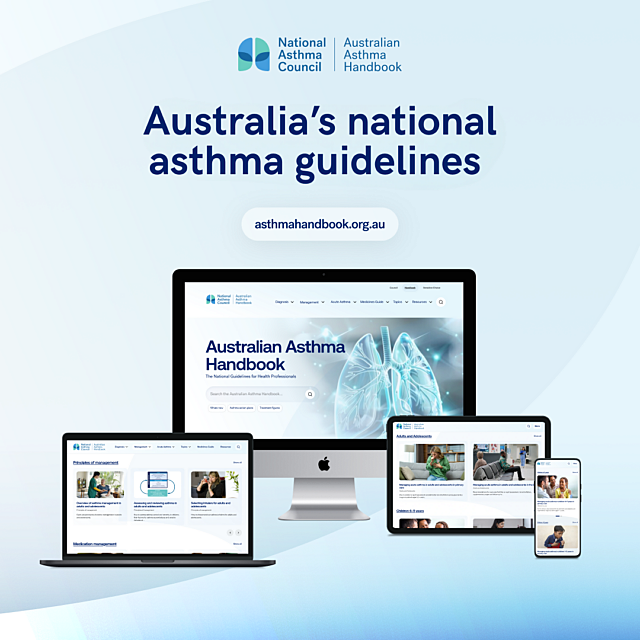
The National Asthma Council’s Australian Asthma Handbook is Australia's national guidelines for asthma management.
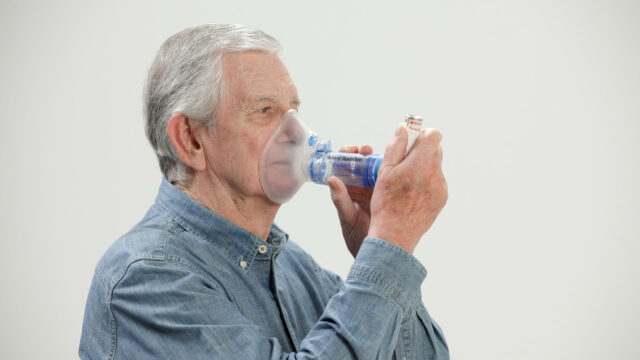
Our How-to video library includes demonstrations of correct technique for all the main types of inhalers and nasal sprays.
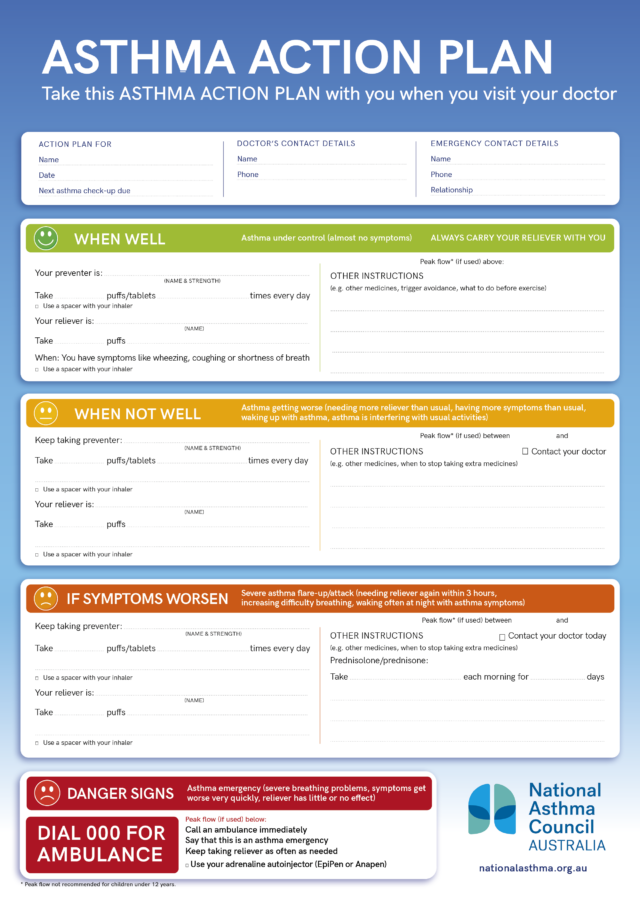
View and download a range of asthma action plans.
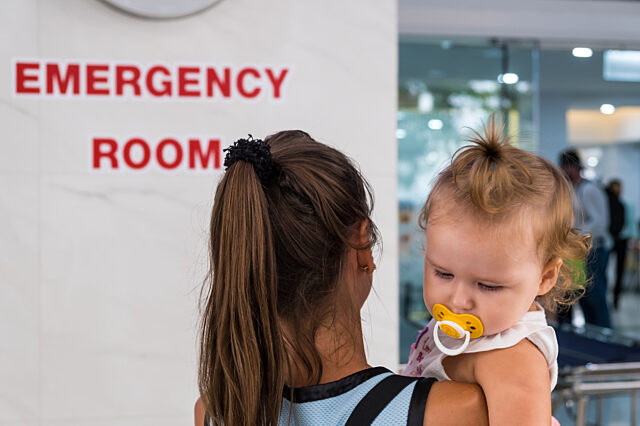
Quick action may help prevent an asthma attack from becoming an asthma emergency.