Article
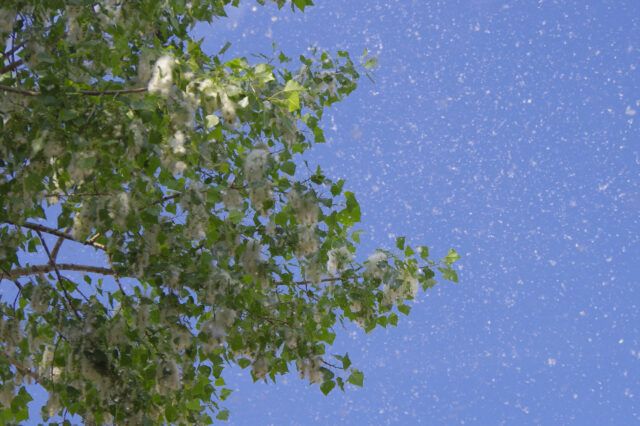
With pollen levels set to soar this spring, many Australians are already feeling the effects of an intense hay fever season.
According to Prof Sheryl van Nunen OAM, allergist and spokesperson for the National Asthma Council Australia, a combination of wet weather and increased plant growth has created the perfect conditions for high pollen levels across many parts of Australia.
"About one in five Australians experience allergic rhinitis (hay fever)," says Prof van Nunen. "This year we've had significant growth of grass, weed and tree pollen, along with increased house dust mite activity, which can make symptoms worse for many people."
For people living with hay fever, asthma or allergies, reducing exposure to allergens at home can help minimise symptoms and improve quality of life.
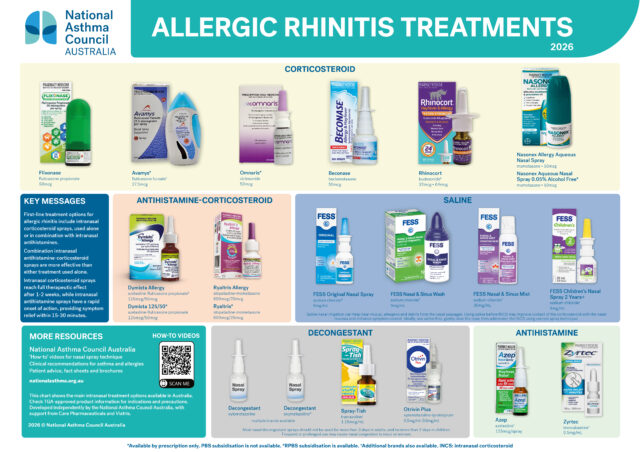
Prof van Nunen also highlighted the importance of treating hay fever symptoms, particularly in children.
"Children with allergic rhinitis should be assessed and treated appropriately. Managing rhinitis can also help reduce the risk of asthma symptoms."
Watch the full interview with Prof Sheryl van Nunen OAM below for more advice on managing hay fever symptoms this season.
For further information view our pollen and hay fever fact sheet.
This interview forms part of National Asthma Council Australia's ongoing efforts to help Australians better manage hay fever, allergies and asthma. We thank Channel 9 and Today Extra for featuring Prof Sheryl van Nunen OAM and helping share these important messages ahead of peak pollen season.