Resource
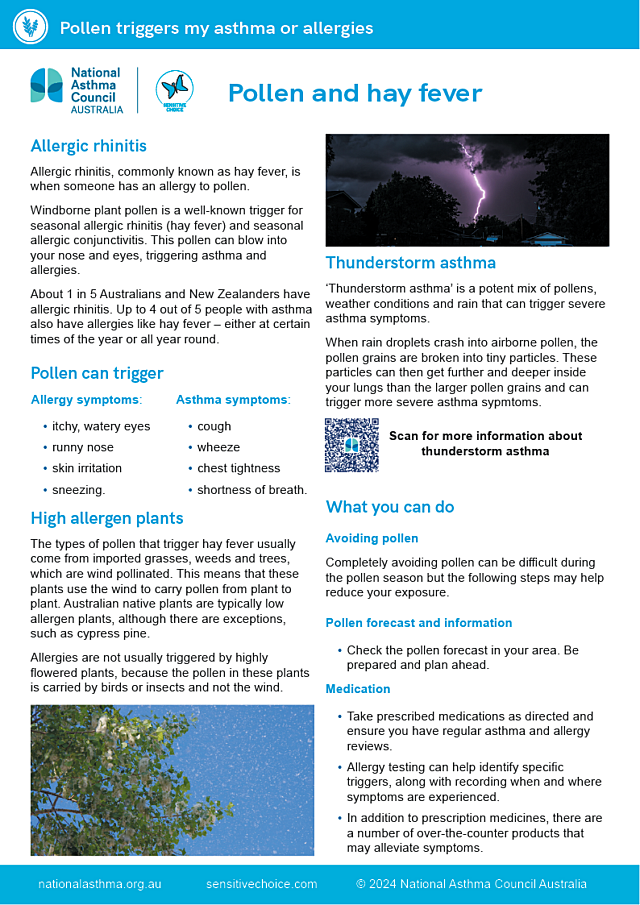
Allergic rhinitis, commonly known as hay fever, is when someone has an allergy to pollen.
Windborne plant pollen is a well-known trigger for seasonal allergic rhinitis (hay fever) and seasonal allergic conjunctivitis. This pollen can blow into your nose and eyes, triggering asthma and allergies. About 1 in 5 Australians and New Zealanders have allergic rhinitis. Up to 4 out of 5 people with asthma also have allergies like hay fever – either at certain times of the year or all year round.


The types of pollen that trigger hay fever usually come from imported grasses, weeds and trees, which are wind pollinated. This means that these plants use the wind to carry pollen from plant to plant. Australian native plants are typically low allergen plants, although there are exceptions, such as cypress pine. Allergies are not usually triggered by highly flowered plants, because the pollen in these plants is carried by birds or insects and not the wind.
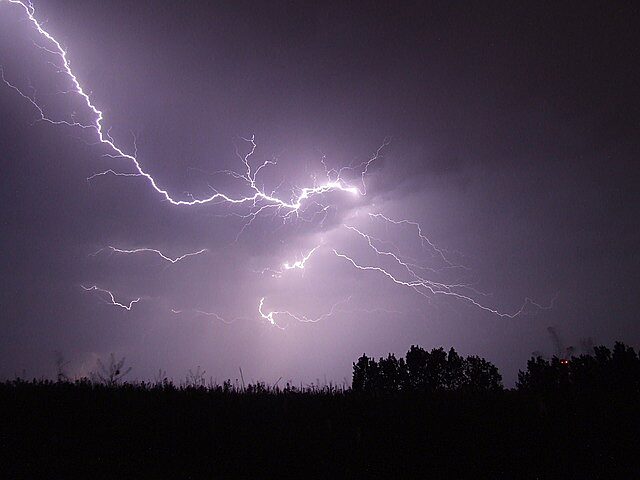
‘Thunderstorm asthma’ is a potent mix of pollens, weather conditions and rain that can trigger severe asthma symptoms.
When rain droplets crash into airborne pollen, the pollen grains are broken into tiny particles. These particles can then get further and deeper inside your lungs than the larger pollen grains and can trigger more severe asthma symptoms. See the thunderstorm asthma fact sheet for more information.

Remember, an itchy, runny or blocked nose due to allergies can make your asthma harder to control. Speak with your doctor or pharmacist for assistance with managing your allergies, asthma, or hay fever.
Disclaimer
It is important to note that information contained in this fact sheet is not intended to replace professional medical advice. Any questions regarding a medical diagnosis or treatment should be directed to a medical practitioner.
Last reviewed 1 Oct 2024