
Trusted, evidence-based information for health professionals, people with asthma and their carers.

30 search results
Sort by
Fact sheets · Patients & carers
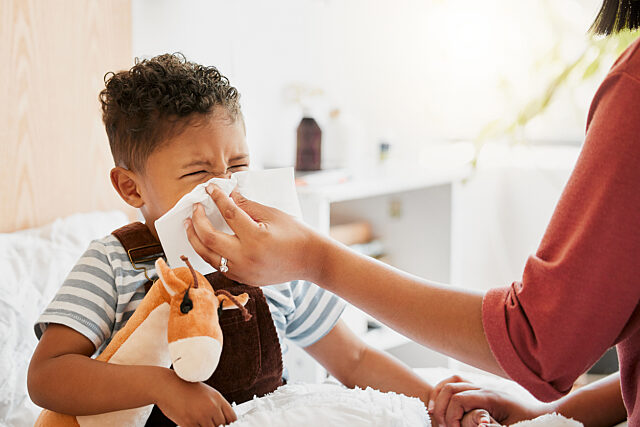
Dispelling the myths about influenza. Influenza vaccination (the flu shot) offers a high degree of protection against the flu and its severe consequences.
Last updated 5/5/2025
Fact sheets · Patients & carers
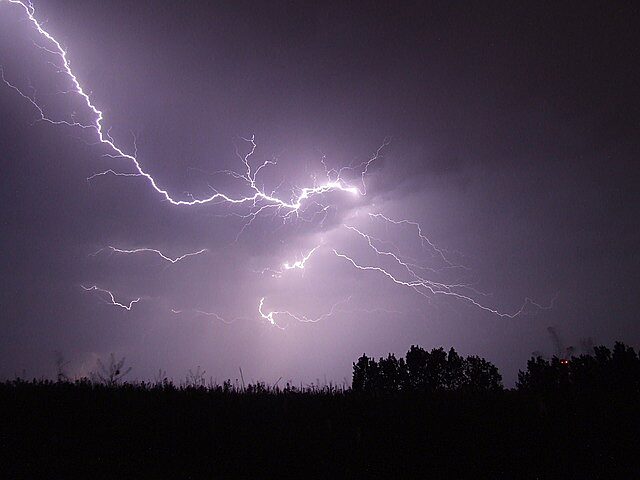
Thunderstorm asthma can happen suddenly to people in spring or summer when there is a lot of pollen in the air and the weather is hot, dry, windy and stormy.
Last updated 7/11/2024
Fact sheets · Patients & carers
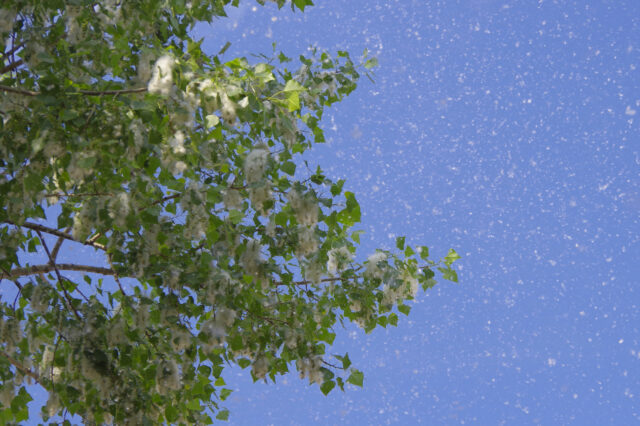
Windborne plant pollen is a well-known trigger for seasonal allergic rhinitis (hay fever) and seasonal allergic conjunctivitis. This pollen can blow into your nose and eyes, triggering asthma and allergies.
Last updated 1/10/2024

Fact sheets · Patients & carers
Pet allergens are a common cause of asthma and allergy triggers. It’s not only a pet’s fur that can trigger allergies, it can be their skin cells or saliva. Any pet with fur or feathers can trigger symptoms.
Last updated 3/8/2024
Fact sheets · Patients & carers
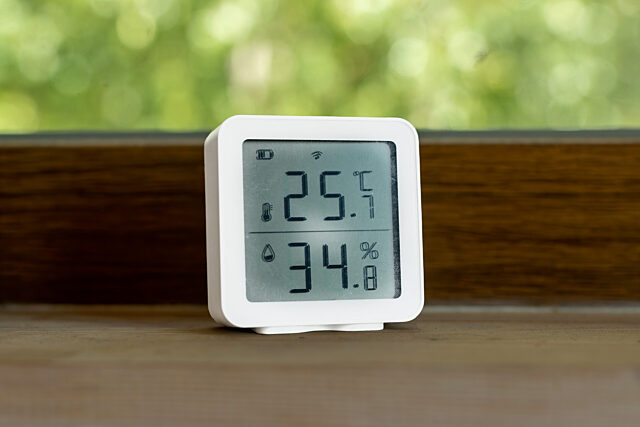
Indoor humidity levels can play an important role in your household’s health, particularly for people with asthma or allergies. It is recommended to keep indoor relative humidity between 30 to 50 per cent, if possible.
Last updated 7/6/2024
Fact sheets · Patients & carers
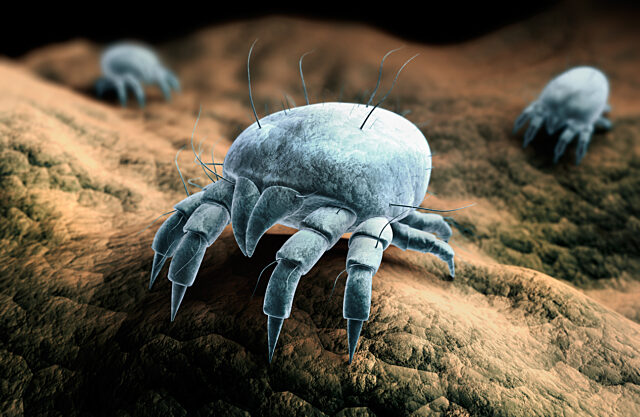
Dust mites thrive in warm and humid environments, and can live in soft furnishings such as beds, bedding, carpets, upholstered furniture, soft toys or clothing and are primarily found inside homes.
Last updated 6/5/2024
Fact sheets · Patients & carers
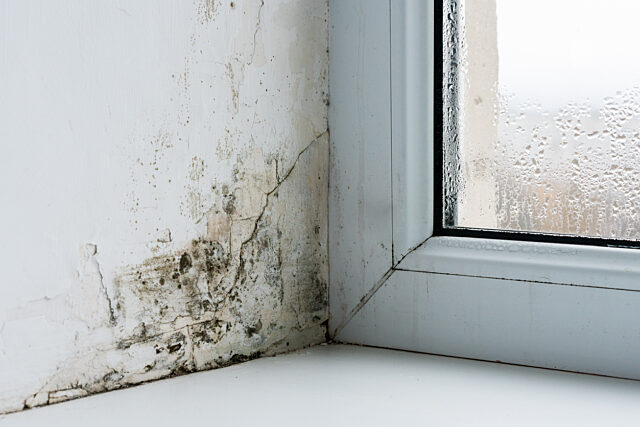
Damp indoor and outdoor areas with mould can trigger asthma symptoms in some people. Mould is commonly found in bathrooms, fridges, and areas with poor air circulation.
Last updated 7/4/2024
Fact sheets · Patients & carers
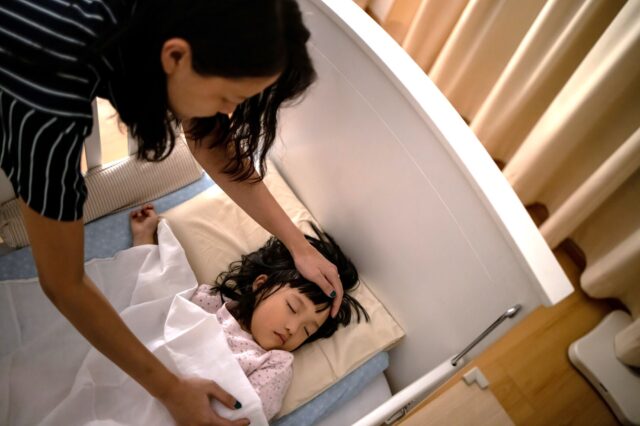
Asthma symptoms during sleep or on waking are a sign of poor asthma control. Frequent night-time symptoms are a sign of increased risk of asthma flare-ups. Some asthma treatments can also affect sleep.
Last updated 10/3/2024
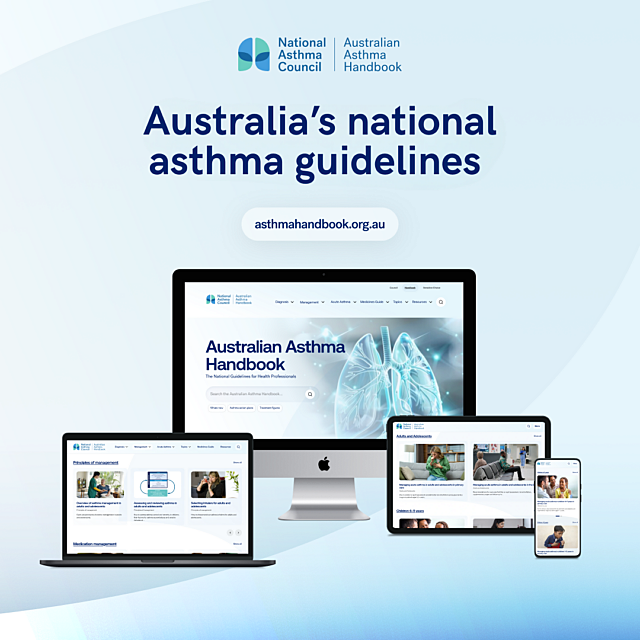
The National Asthma Council’s Australian Asthma Handbook is Australia's national guidelines for asthma management.
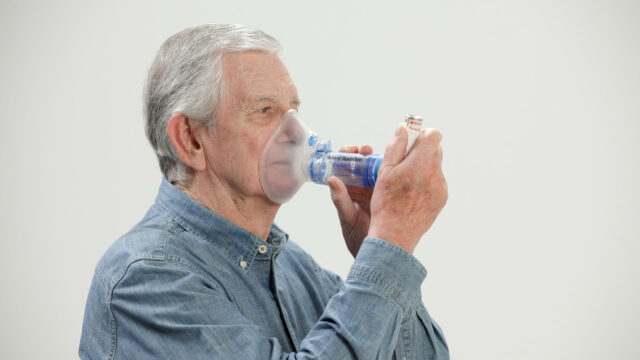
Our How-to video library includes demonstrations of correct technique for all the main types of inhalers and nasal sprays.
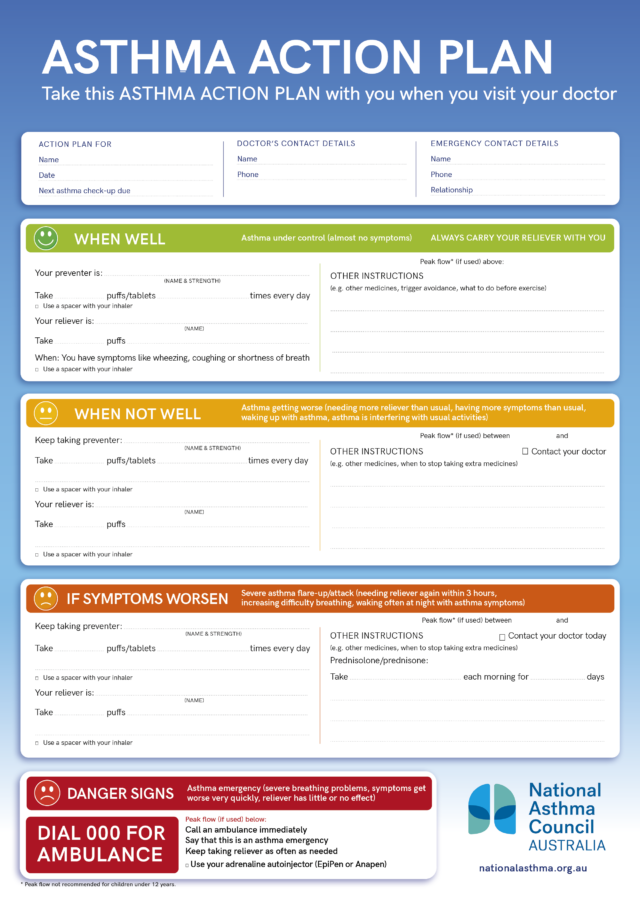
View and download a range of asthma action plans.

Quick action may help prevent an asthma attack from becoming an asthma emergency.